Cross-Platform Incentive Chains: Building Cumulative Advantages Through Sequenced Wagering Perks
Bianca Fischer · Oct 27, 2026
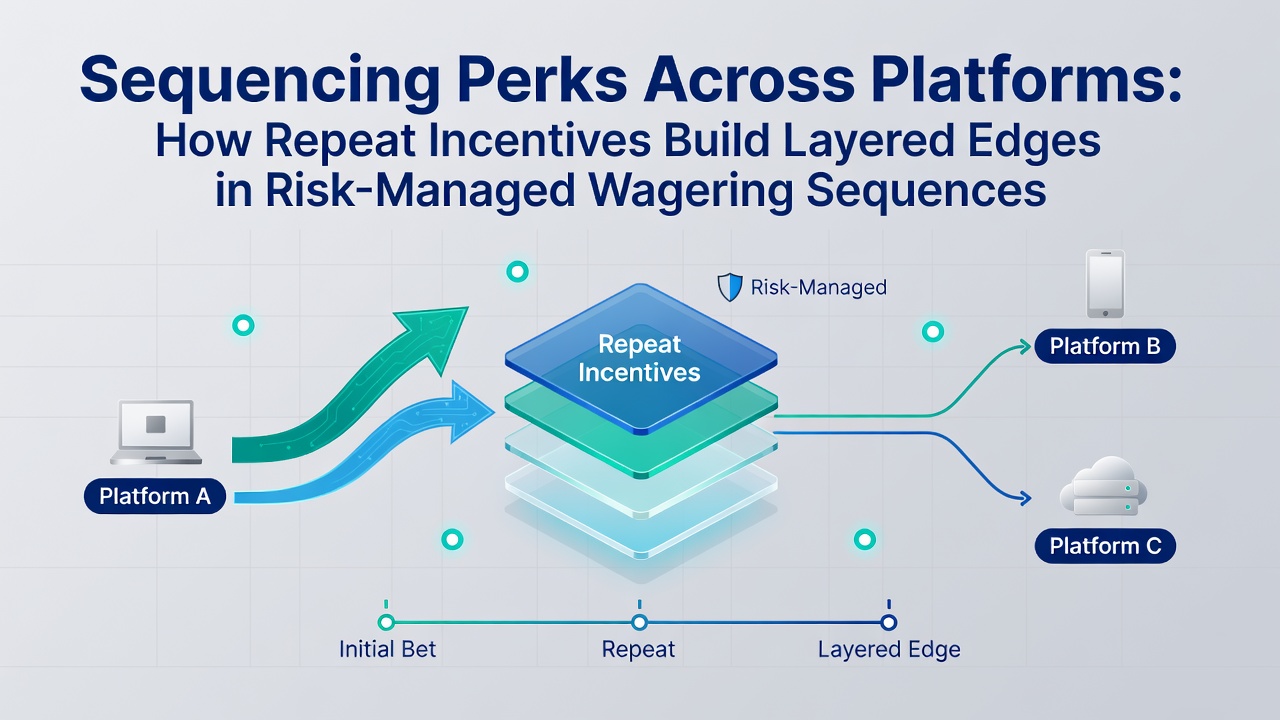
Cross-Platform Incentive Chains: Building Cumulative Advantages Through Sequenced Wagering Perks
Data from multiple jurisdictions shows operators structuring repeat incentives in deliberate sequences that allow participants to layer offers across sportsbooks and casino environments while maintaining strict risk controls. In October 2026 observers noted continued expansion of these patterns as platforms adjusted to shifting regulatory landscapes in regions outside the UK.
Understanding Sequence Construction
Operators design repeat incentives so that initial no-deposit perks feed into deposit-matched offers which then transition into reload bonuses and loyalty tiers. This progression creates opportunities for participants to combine elements from one platform with parallel structures on another while keeping exposure within predefined limits. Research indicates such sequencing often follows predictable cycles tied to calendar events and player activity milestones.
Those who track these patterns report that successful layering requires alignment of wagering requirements across different account types. A free bet earned on one site might convert into qualifying stakes that unlock casino spins elsewhere, provided the timing matches promotional windows. Figures from industry reports reveal participants who maintain separate sequences for each vertical achieve higher cumulative returns when they coordinate timing rather than treating each offer in isolation.
Platform Variations and Regional Patterns
European operators tend to front-load casino no-deposit credits that roll into sportsbook reloads, whereas North American platforms frequently reverse this order by starting with sports welcome bonuses that unlock table game promotions later. Australian data released in mid-2026 highlighted similar layering but with stricter deposit thresholds before reload eligibility activates. Participants note that these regional differences create natural offsets when managing multiple accounts simultaneously.
What's interesting is how loyalty programs integrate into the sequence. Points accumulated from one week's matched wagers often convert into free spins or enhanced odds that feed the next cycle. Studies from academic gambling research centers show this feedback loop strengthens when participants document each step rather than relying on memory alone.
Risk Management in Layered Sequences
Effective sequencing depends on maintaining separate bankrolls for each platform and documenting every requirement before advancing to the next stage. Observers have found that participants who set hard stop-loss thresholds per sequence avoid overexposure even when multiple offers overlap. In October 2026 several international regulatory bodies published updated guidance emphasizing transparent tracking of bonus terms across jurisdictions.
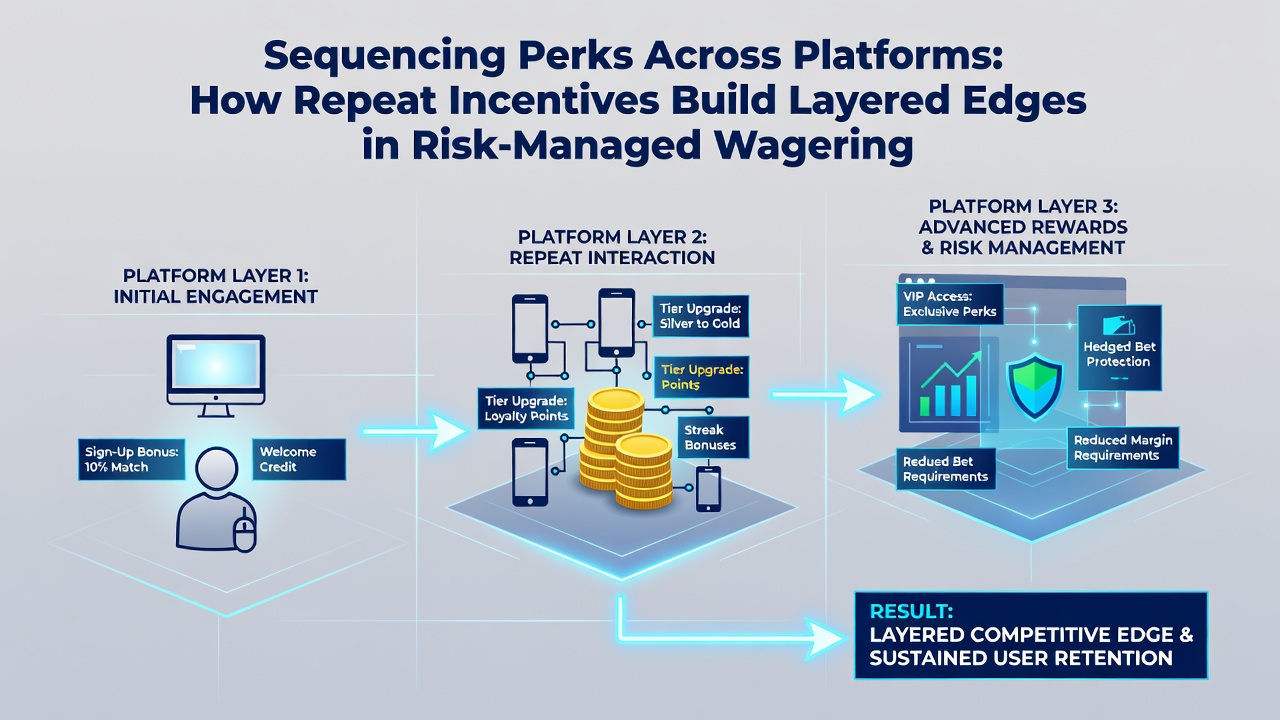
One case documented by independent analysts involved a participant who paired a Canadian sportsbook reload with an Australian casino loyalty tier. The sequence required completing sports wagering requirements first, after which casino credits became available. The approach succeeded because each step included verification of maximum stake limits before proceeding. Data shows such coordinated steps reduce variance compared with random offer selection.
Timing and Calendar Influences
Major sporting calendars and seasonal casino promotions create windows where sequences can be accelerated. Participants who align reload activations with these periods often complete multiple layers within shorter timeframes. Reports from trade associations indicate October 2026 saw increased activity around international fixtures and digital casino events that operators used to introduce time-limited stacking opportunities.
Yet coordination across time zones adds complexity. Offers originating in different regions carry distinct expiration rules that must be reconciled before layering begins. Those managing sequences across continents frequently maintain shared calendars to track overlapping deadlines and prevent missed conversions.
Conclusion
Sequenced incentives across platforms continue to evolve as operators refine their structures and regulators in various regions update oversight frameworks. Participants who treat each offer as one segment within a larger chain rather than an isolated event can construct layered positions while respecting risk parameters. Continued monitoring of international data remains essential as these patterns shift through 2026 and beyond.